

A New Generation of Robotics Could Transform Pest Control
For decades, humans have relied on chemical sprays, traps, and insecticides to control mosquito populations. While these methods can be effective, they also raise concerns about environmental impact, chemical resistance, and unintended effects on other species.
Now, a startup is developing a completely different approach: using tiny autonomous drones to identify and eliminate mosquitoes directly in the air.
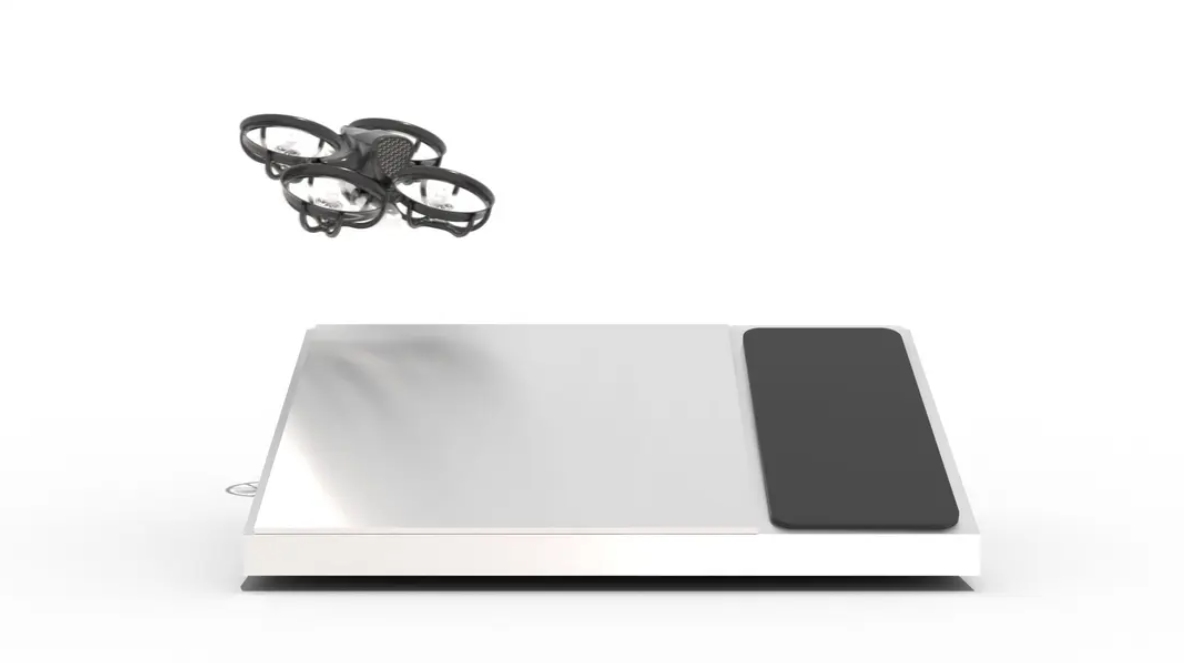
Paris-based startup Tornyol has created a miniature robotic drone designed to hunt mosquitoes using advanced sensing technology, autonomous flight systems, and precision targeting.
The technology represents a new intersection of robotics, artificial intelligence, and sustainable pest management.
Why Mosquito Control Is a Global Challenge
Mosquitoes are among the most dangerous animals on Earth because they can transmit serious diseases, including:
- Malaria
- Dengue fever
- Zika virus
- West Nile virus
According to public health researchers, mosquito-borne diseases affect hundreds of millions of people worldwide every year.
Traditional mosquito control methods often rely on:
- Chemical insecticides
- Large-scale spraying
- Physical barriers
- Traps
However, widespread pesticide use can create several challenges.
How the Mosquito-Hunting Drone Works
Tornyol’s autonomous drone is designed as a small aerial robot capable of detecting and intercepting mosquitoes.
Unlike traditional insect control methods that affect large areas, the drone focuses on precision targeting.
The system combines:
- Miniature flight technology
- Computer vision
- Artificial intelligence
- Autonomous navigation
- Real-time environmental analysis
Using onboard sensors, the drone can identify small flying targets and respond quickly.
This approach allows pest control to become more selective and potentially reduce the need for chemical treatments.
The Rise of Autonomous Micro Robotics
Small-scale drones represent a growing area of robotics research.
Unlike large commercial drones used for photography or delivery, micro drones are designed for specialized tasks where size, speed, and precision matter.
Potential applications include:
- Agricultural monitoring
- Environmental research
- Search and rescue
- Medical delivery
- Industrial inspection
- Pest management
As sensors become smaller and AI systems become more powerful, tiny autonomous robots are becoming increasingly practical.
A Sustainable Alternative to Chemical Insecticides
One of the biggest advantages of robotic pest control is precision.
Traditional spraying methods often affect entire areas, including insects that may be beneficial to ecosystems.
A targeted robotic solution could help reduce:
- Chemical usage
- Environmental contamination
- Impact on pollinators
- Long-term pesticide resistance
For farms, cities, and regions affected by mosquito-borne diseases, precision robotics could provide a more environmentally friendly approach.
Potential Applications Beyond Backyards
Although Tornyol initially focuses on mosquito control, similar technologies could eventually support larger-scale applications.
Agriculture
Autonomous drones could help farmers manage crop pests while reducing chemical dependence.
Public Health
In areas affected by malaria and other mosquito-borne diseases, robotic systems could support existing prevention programs.
Smart Cities
Future urban environments could use networks of autonomous robots to monitor and manage biological risks.
The Challenges Ahead
Despite its potential, mosquito-hunting drones still face several technical challenges.
These include:
Energy Efficiency
Small drones require lightweight batteries while maintaining enough power for autonomous operation.
Detection Accuracy
The system must accurately identify mosquitoes while avoiding unnecessary interactions with other insects.
Scalability
Deploying thousands of robotic systems across large areas requires affordable manufacturing and reliable maintenance.
Safety and Regulation
Autonomous flying systems must operate safely around people, animals, and infrastructure.
The Future of Robotic Pest Control
The development of mosquito-hunting drones highlights a broader trend: robots are moving from industrial environments into everyday life.
Future robotics may not only build products or transport goods but also help solve environmental and public health challenges.
By combining artificial intelligence, autonomous flight, and sustainable engineering, tiny drones could become powerful tools in protecting ecosystems and human health.
The future battle against pests may not be fought with more chemicals, but with smarter machines.
